
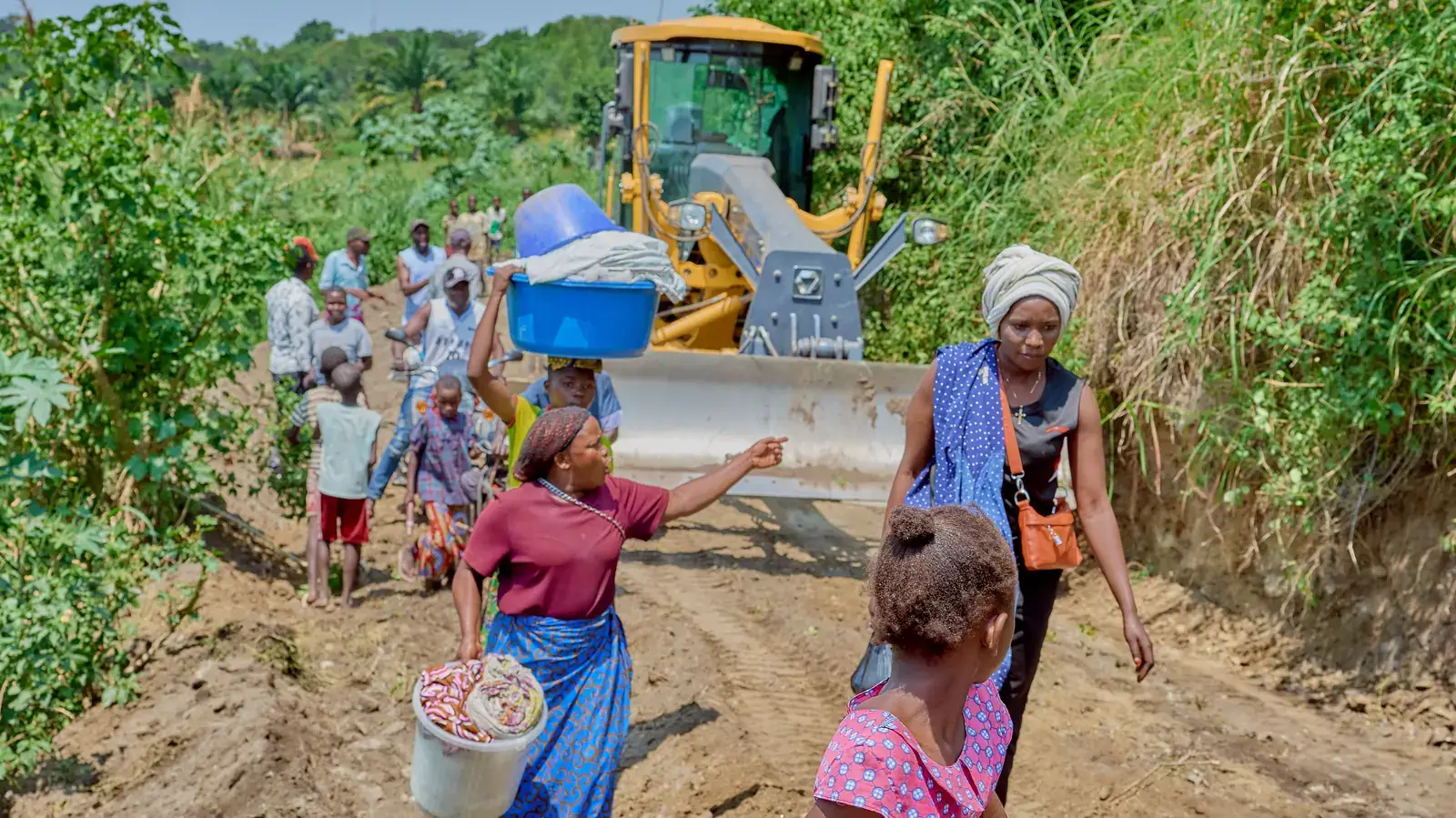
Between 2024 and October 2026, Terra Agricultural Cooperative, an initiative of Environmental Defenders in Ituri Province, rehabilitated 85 km of agricultural feeder roads (routes de desserte agricole) in Mahagi Territory. It is the first stretch of 1,500 km the cooperative plans to rehabilitate by 2030. The goal is to connect peasant households and small-scale farmers to markets.
For years, the rain decided whether farmers on the 11-kilometer Djegu Center–Cubu Base road could sell their harvest. Nestled in the western branch of the East African Rift Valley, the feeder road traverses rugged plateaus and valleys, linking a string of villages in Mahagi Territory on its way to the border between the Democratic Republic of Congo (DRC) and Uganda. Before its rehabilitation, this scenic route was costly, difficult, and at times impossible to travel.
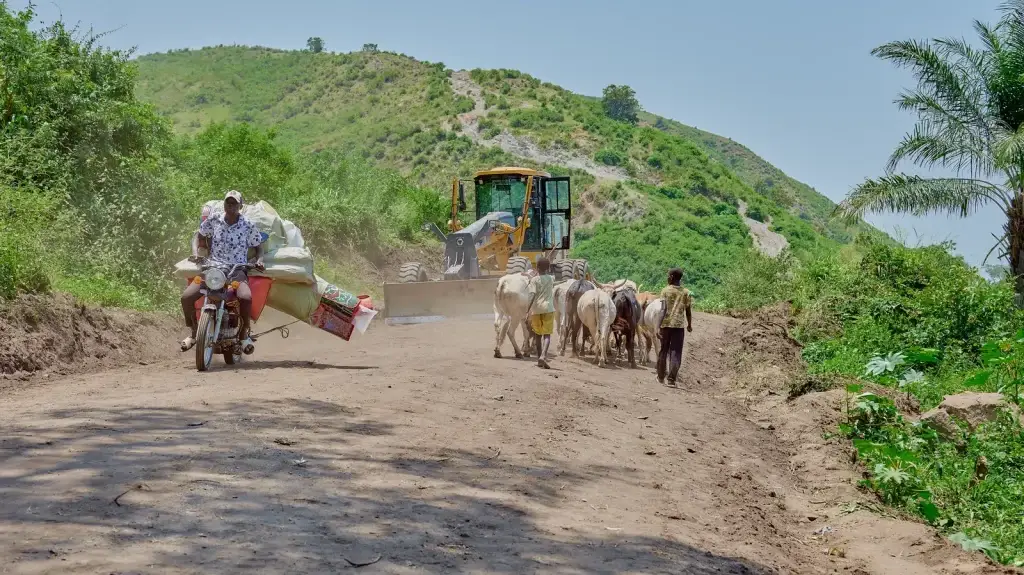
“It was impassable, especially after the rain; we couldn’t transport agricultural products to the market,” says Mandhawun, who lives along this road in the village of Cubu Umvura. Conflict and limited government resources had left the road through Cubu Umvura in disrepair. As a result, farmers here were cut off from the market.
“But now, in just a few minutes, we arrive at a nearby market, Nyalip market, located at the border between the DRC and Uganda.” For the farmers of Cubu Umvura, the market was never far: it is just 5 km away. The trip now takes less than a quarter liter of fuel. The local chief of Cubu Umvura recalls a road so narrow that vehicles could barely pass one another.
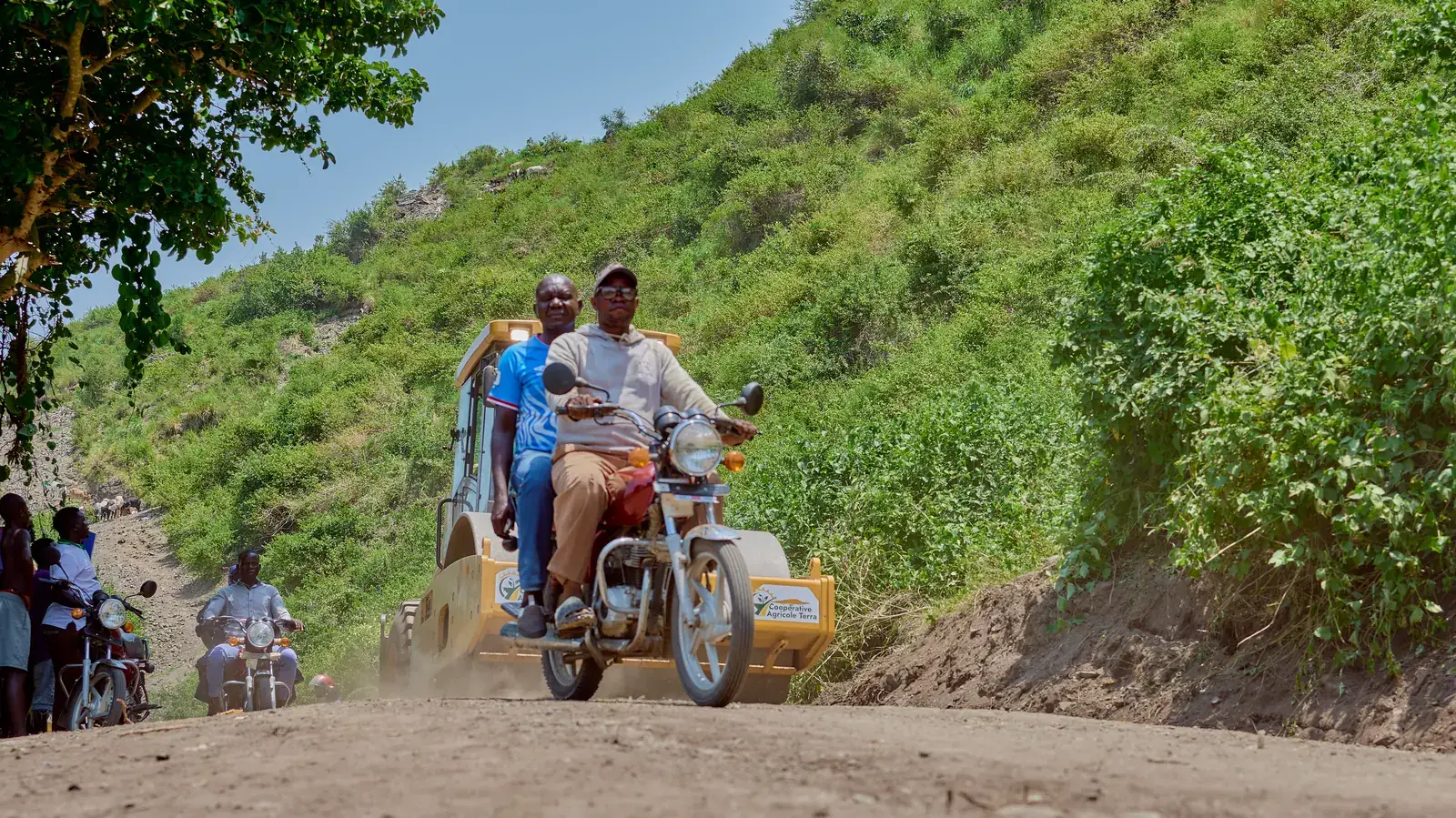
“Trucks and motorcycles no longer have difficulty traveling on this road,” he says.
Across Ituri Province, farmers grow cassava, maize, beans, plantain, potatoes, sweet potatoes, and vegetables. Despite its rocky soil, Mahagi produces about a fifth of Ituri’s beans and cassava, according to provincial agricultural figures. With the roads rehabilitated, that harvest can finally reach the market.
Why Agricultural Feeder Roads Matter
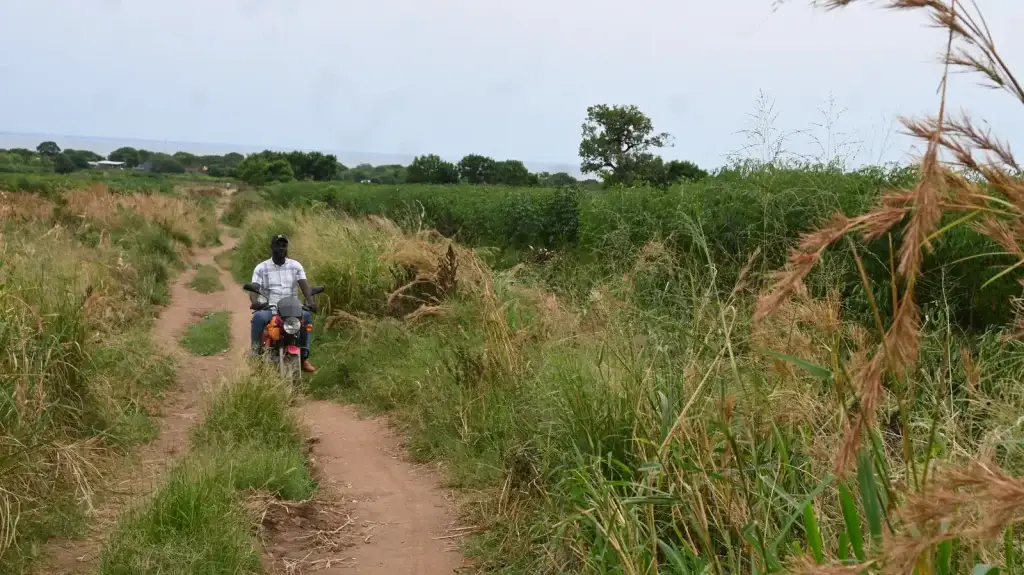
The Djegu Center–Cubu Base road is one of 14 routes that Terra Agricultural Cooperative rehabilitated in Mahagi Territory. Together, they total 85 km. Terra, an initiative of Environmental Defenders, links a network of more than 50,000 farmers in the Democratic Republic of Congo (DRC) to training, finance, and fair markets.
By 2030, Terra plans to have rehabilitated 1,500 km of road as the cooperative’s contribution to the DRC’s National Strategic Development Plan.
The plan, which covers 2024–2028, finds that agricultural feeder roads “are, for the most part, in an advanced state of disrepair.” According to the government, the state of the roads cuts production areas off from markets. However, efforts to address this obstacle to rural development are underway.
How the Agricultural Feeder Roads Were Rebuilt
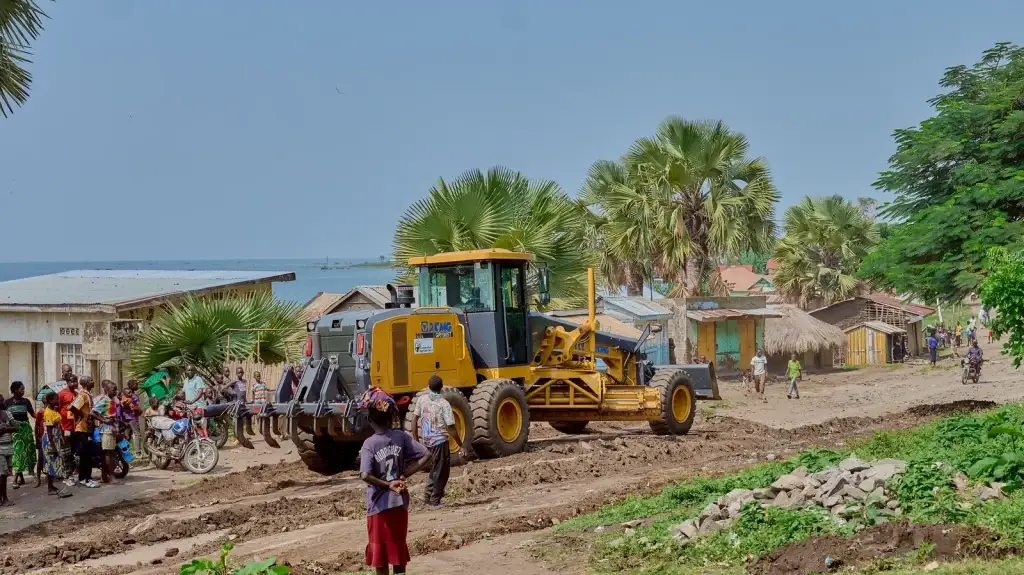
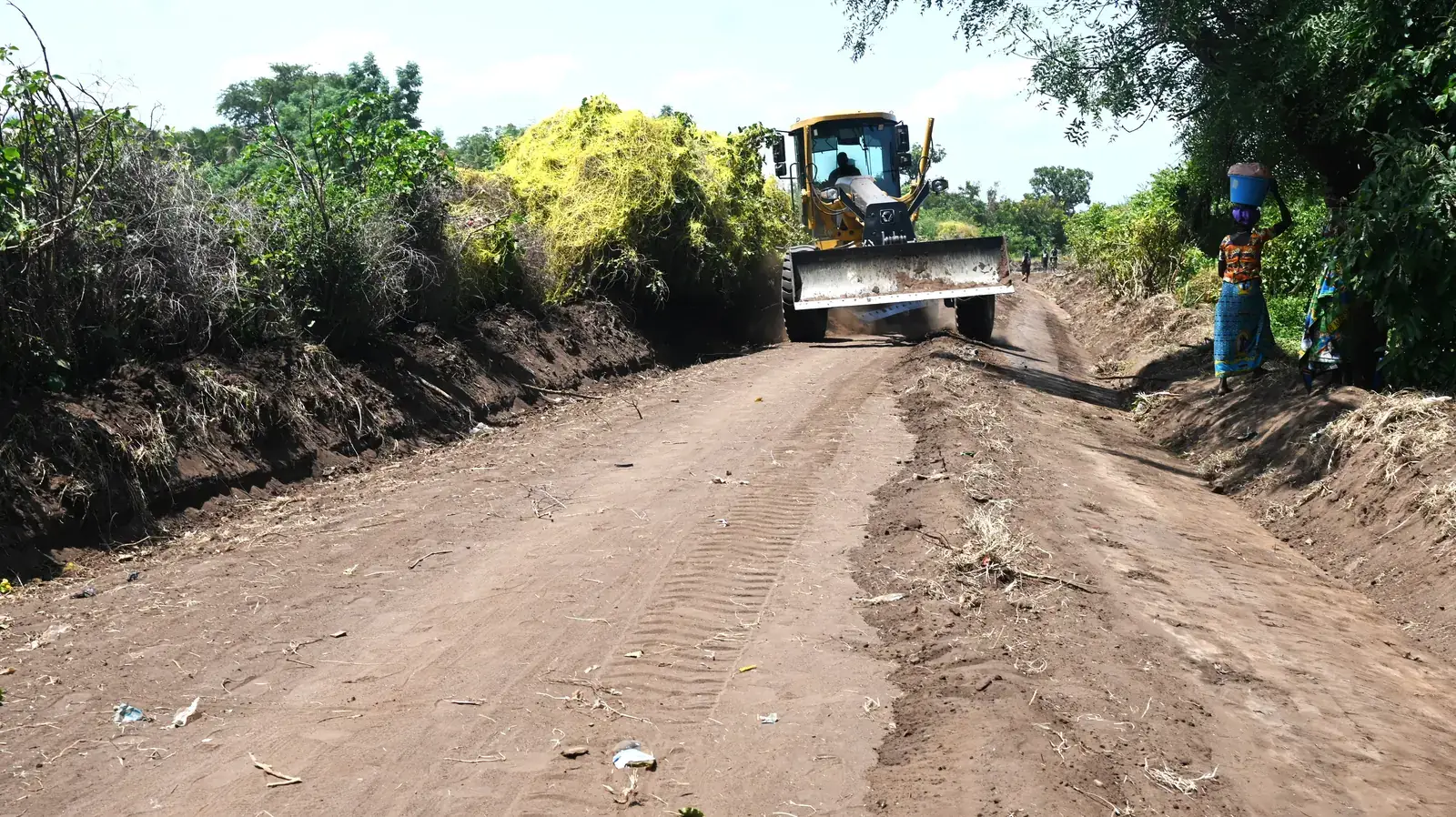
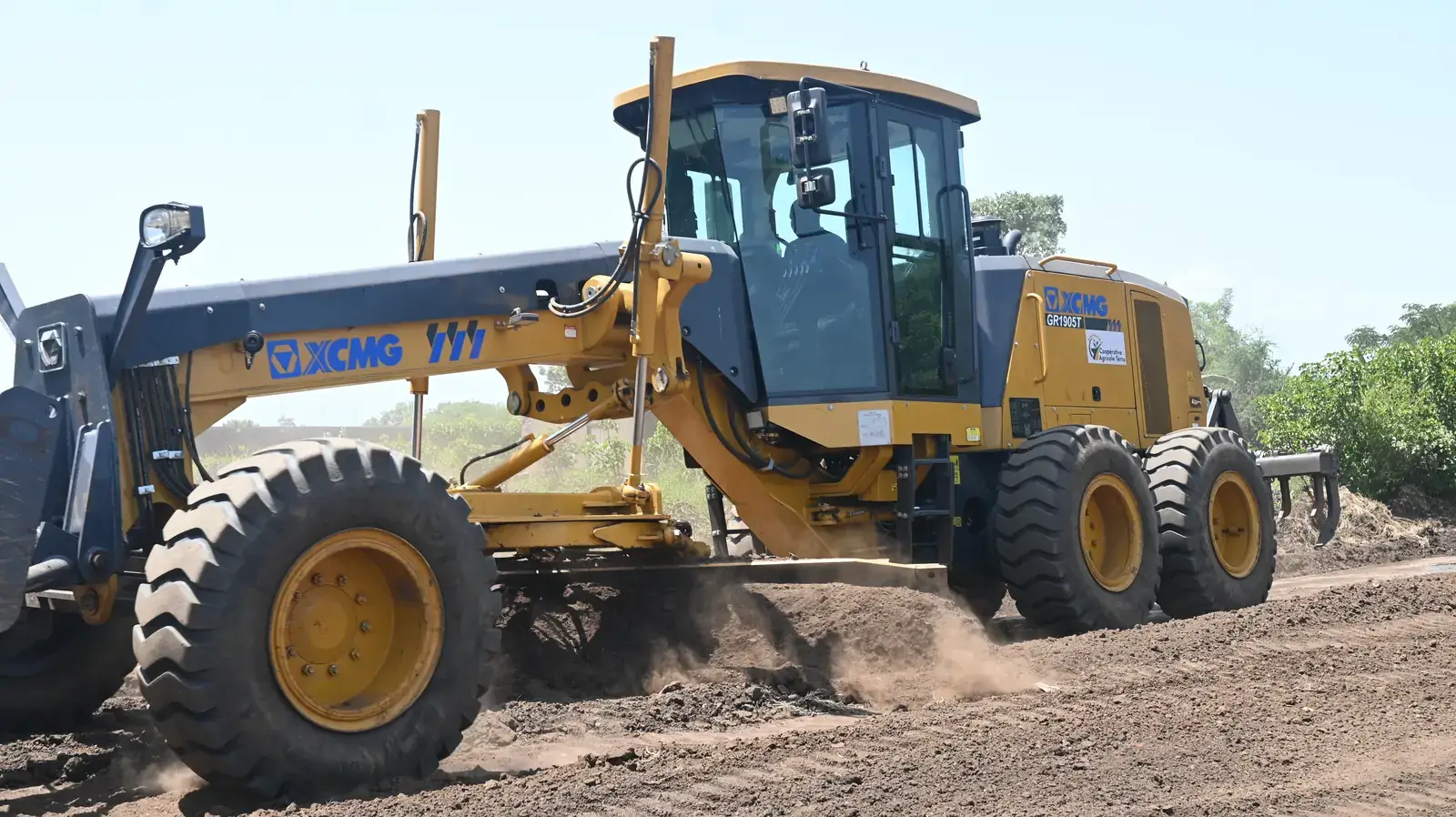
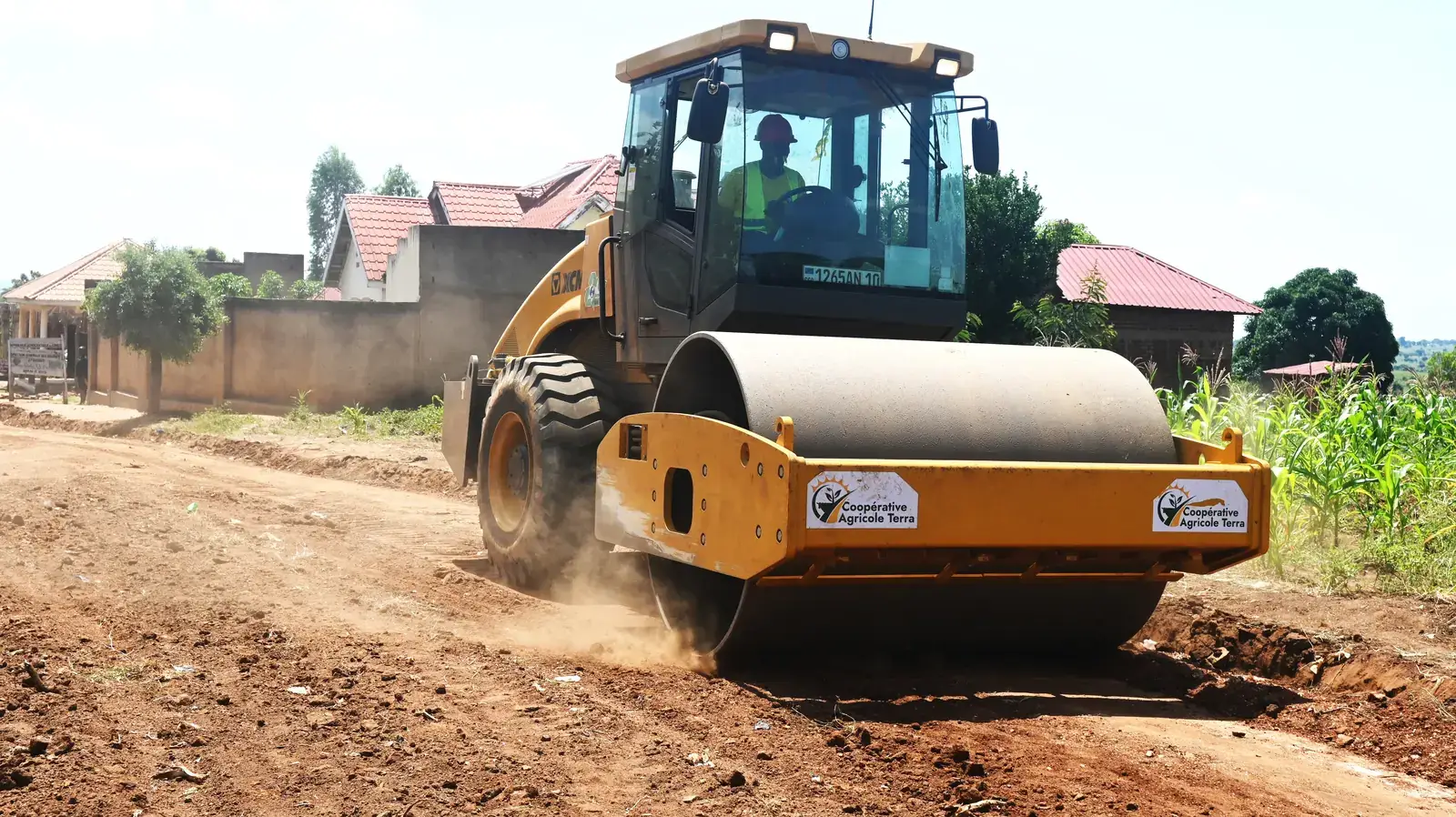
To rehabilitate these important feeder roads, Terra used two methods. A tractor rehabilitated 30.38 km on five routes, including the Djegu Center–Cubu Base road. The tractor also reopened routes around Kolokoto and Mahagi Port. The longest, the 13-km Kolokoto–Ubongwa road, serves 11 villages. In total, Terra estimates that its roads serve nearly 150,000 people. They live in Mahagi’s Angal, Mokambo, and Wagungu chiefdoms and across the border in Padyere County, Uganda.
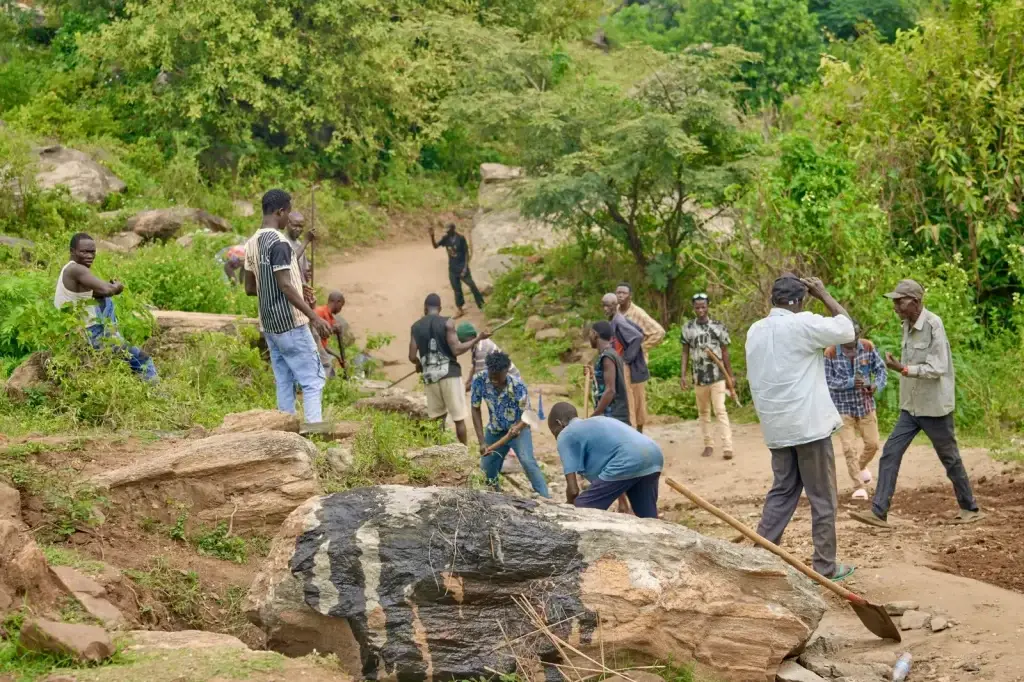
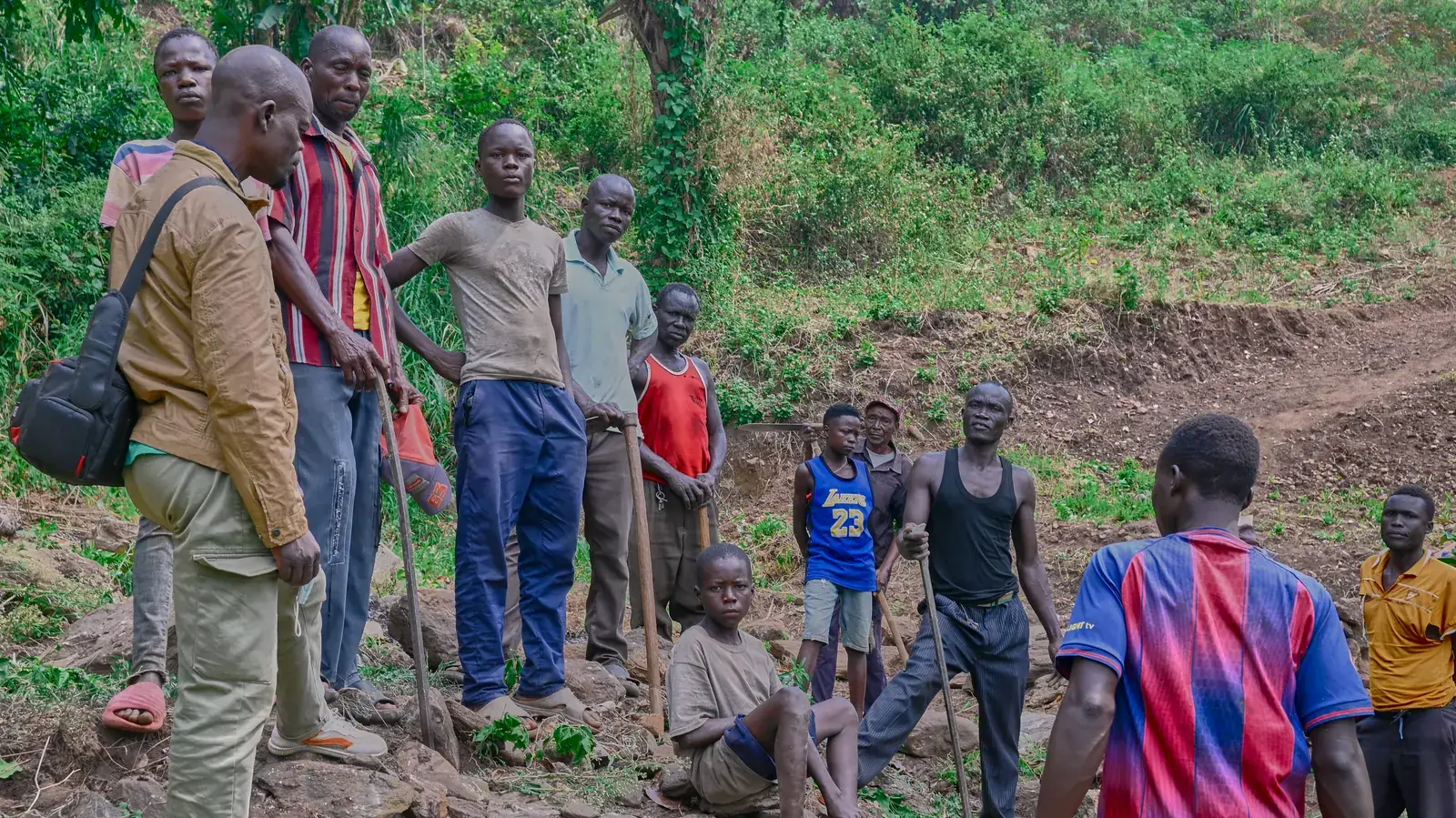
On nine more routes across the Wagungu and Angal areas, the work was done by hand. Launched on January 17, 2025, this labor-intensive phase had reopened 51.7 km of previously impassable road by July 14, 2025. The work continues. Terra recruited crews in the villages these agricultural feeder roads serve, paying about US$84 per kilometer. In all, about US$4,300 in wages went into village households. Twenty-eight supervisors, each recommended by a village chief, oversaw the crews. Neither phase included bridges or culverts.
“But now, in just a few minutes, we arrive at a nearby market.” — Mandhawun, resident of Cubu Umvura
Voices From the Road
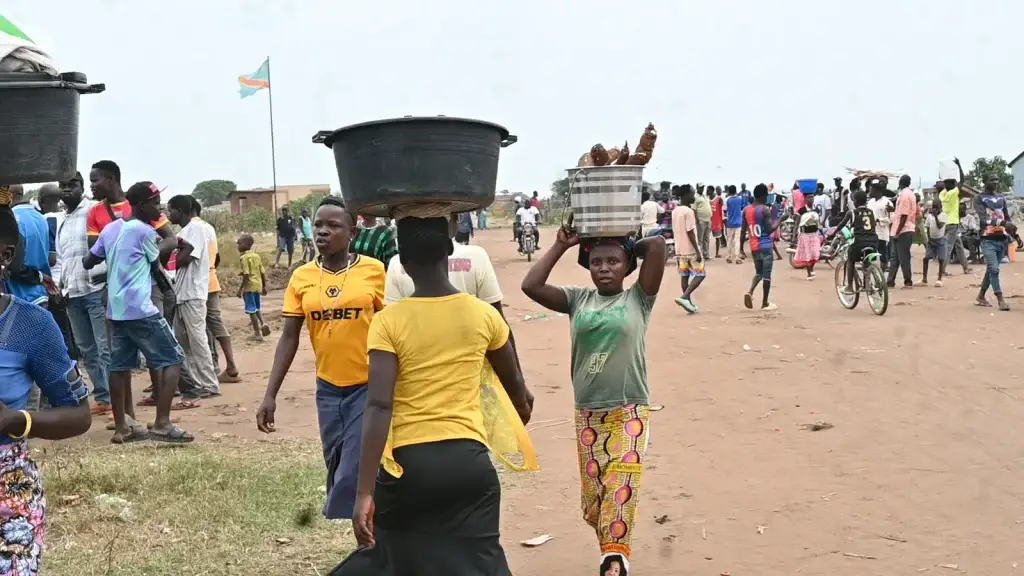
“Fuel consumption and motorcycle maintenance costs are reduced, the cost of transport has dropped, and transporting heavy loads is now possible without mud,” says Ukumu Emmanuel, a taxi driver on the Mvodu axis. At Mahagi Port, village chief Maneno Tido Mastafa reports that trade with Uganda has become easier and economic activity is growing.
The gains go beyond trade. Residents say the road has brought communities together and eased access to social services.
“It has become easy to transport our sick to the hospital,” says Utwikende Ukumu of Cubu Uganyu. Another resident adds that it is easier for children to reach their schools. Security matters here too. Eastern DRC lives with armed insurgency. Yet residents on the Mvodu and Mahagi Port axes report no insecurity along the rehabilitated roads.
Research points the same way: a recent study financed by the World Bank concluded that the completion of a road project in DRC reduces violence by around 5–10 percentage points.
Residents also name what still needs fixing. Many cite speeding, which has caused accidents involving children and livestock. “I deplore excessive speed and the constant dust,” says Kayeny Solange, a Mvodu resident. Drivers ask for drainage ditches and traffic police. Along the Cubu axis, residents say their most urgent need is clean drinking water. One resident says the community walks 2.5 km to draw it.
Backed by Government
Terra’s work has the political backing of the Ministry of Rural Development, its feeder-roads agency, the Office des Voies de Desserte Agricole (OVDA), and the ministry’s provincial and territorial divisions. The ministry’s cooperatives service, SNCOOP, registered Terra as an agricultural cooperative in May 2024. Through its work, Terra contributes to the government’s target of rehabilitating and maintaining 10,000 kilometers of agricultural feeder roads a year across the country’s 145 territories.
In December 2025, the chief of Wagungu represented Terra at a meeting in Kinshasa with OVDA’s director general, Cléophas Badiashile Katumba. The chief sought the agency’s support and permission for the works. According to Terra, Badiashile Katumba said he had never encountered this kind of public-private collaboration. Most people, he said, come to his office asking for funds and favors. Terra, by contrast, asked only for permission to do the work with its own resources.
Greening the Roads
Terra’s statutes commit the cooperative to work with producers and members to protect and restore the land. That work safeguards biodiversity and the climate in Mahagi, part of the Albertine Rift on the edge of the Congo Basin. So far, Terra and local farmers have planted 80,000 trees along the roads and in the communities they cross. The trees planted so far include the African mahogany (Afzelia africana), East African mahogany (Khaya anthotheca), giant lira (Melia), Markhamia lutea, albizia, and mango. Both mahoganies are listed as Vulnerable on the IUCN Red List.
Roadside planting is a recommended practice for rural roads, not a luxury reserved for paved highways. The World Bank’s Green Roads for Water guidelines advise that roadside tree planting “should be systematically integrated into all road-building programs, in particular for unpaved roads.” They also note that “Grasses in particular can help reduce runoff velocity and trap sediments, thus reducing roadside erosion.” In addition, trees screen the dust residents complain about. Dust can be a major health hazard, particularly for children, older people, and those with weakened immune systems.
Keeping the Roads Open
A road lasts only as long as it is maintained. In Mahagi, upkeep has begun with the communities themselves. Road crews pledged at their final pay meeting to keep maintaining their sections. In Mahagi Port, Chief Maneno Tido Mastafa says, “The women’s association Usafi ni Uzima, in collaboration with the youth, took the initiative to maintain damaged spots.” In Mvodu, Chief Gonji had terraces created to drain standing water. Women fill potholes, help dig trenches, and cook for the workers. Most volunteer, though at times, some are paid.
From Road to Market
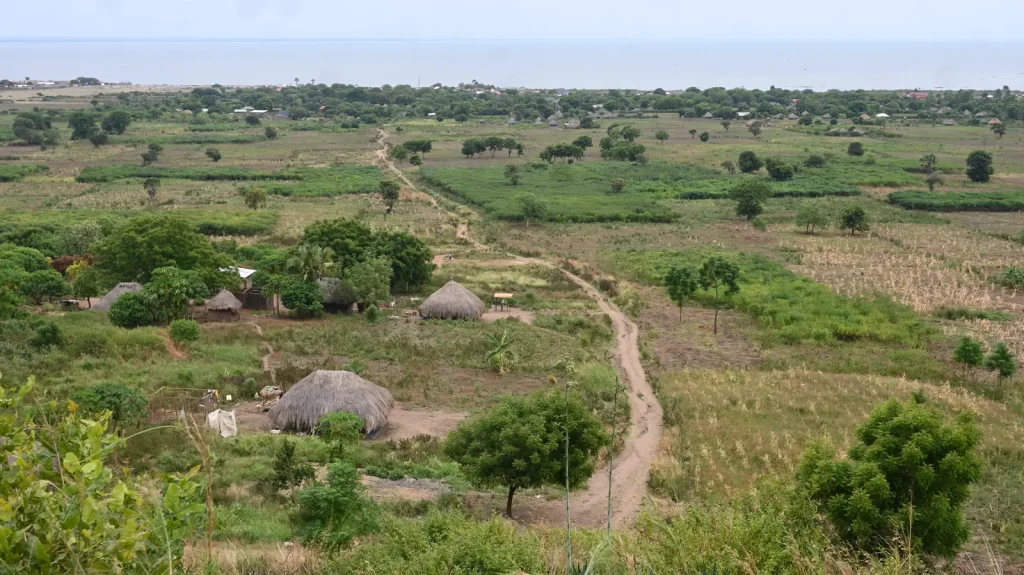
A broken road takes away a farmer’s power to wait. Around Mount Kenya, KfW, Germany’s development bank, linked poor roads to farmers’ high dependency on middlemen. Once trucks could collect produce at the farm gate, that dependency fell. In Tanzania, tea farmers told the World Bank “that reliable access to a road affects the quality of their time-sensitive crop and their bargaining power with agribusinesses.”
A road that stays open allows Mahagi’s farmers to plan instead of rushing to sell their crop at giveaway prices. The roads help Terra fulfill its commitment to organize, facilitate, and support collective marketing among its members. They also help it build market linkages through warehouse receipts, bulking, and storage management. Produce that is bulked and stored together need not go to the first buyer who makes it through the muddy, impassable roads. Collective action has delivered better prices elsewhere. In Northern Uganda, Denmark’s NURI program saw farmer groups combine proper post-harvest handling with collective marketing. In response, “some bulk buyers were attracted and accepted to pay a higher price, which led to improved sales and earnings for some groups.”
The Road Ahead
The roads have already shortened the journey to market, hospital, and school. “We are doing this not because we want to replace government roles, but in the interests of communities that lack access to government services,” says Samuel Jaryekonga Warom, secretary of Terra’s management committee. When farmers can sell their produce and buyers can reach them, he says, it “reduces pressure on standing forests. People continue to migrate and go to open lands for cultivation in forested hills, which we now want to stop.”
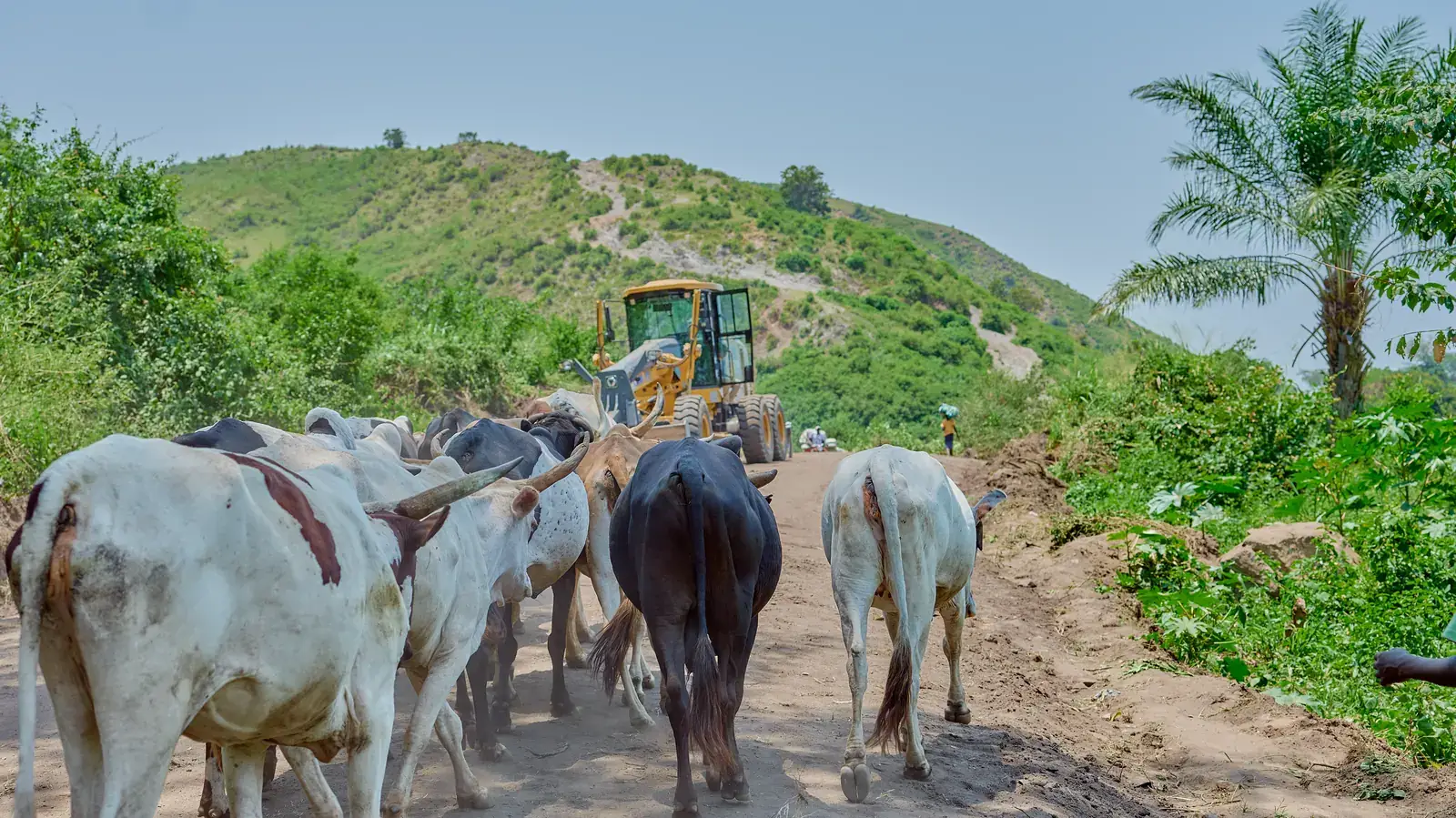
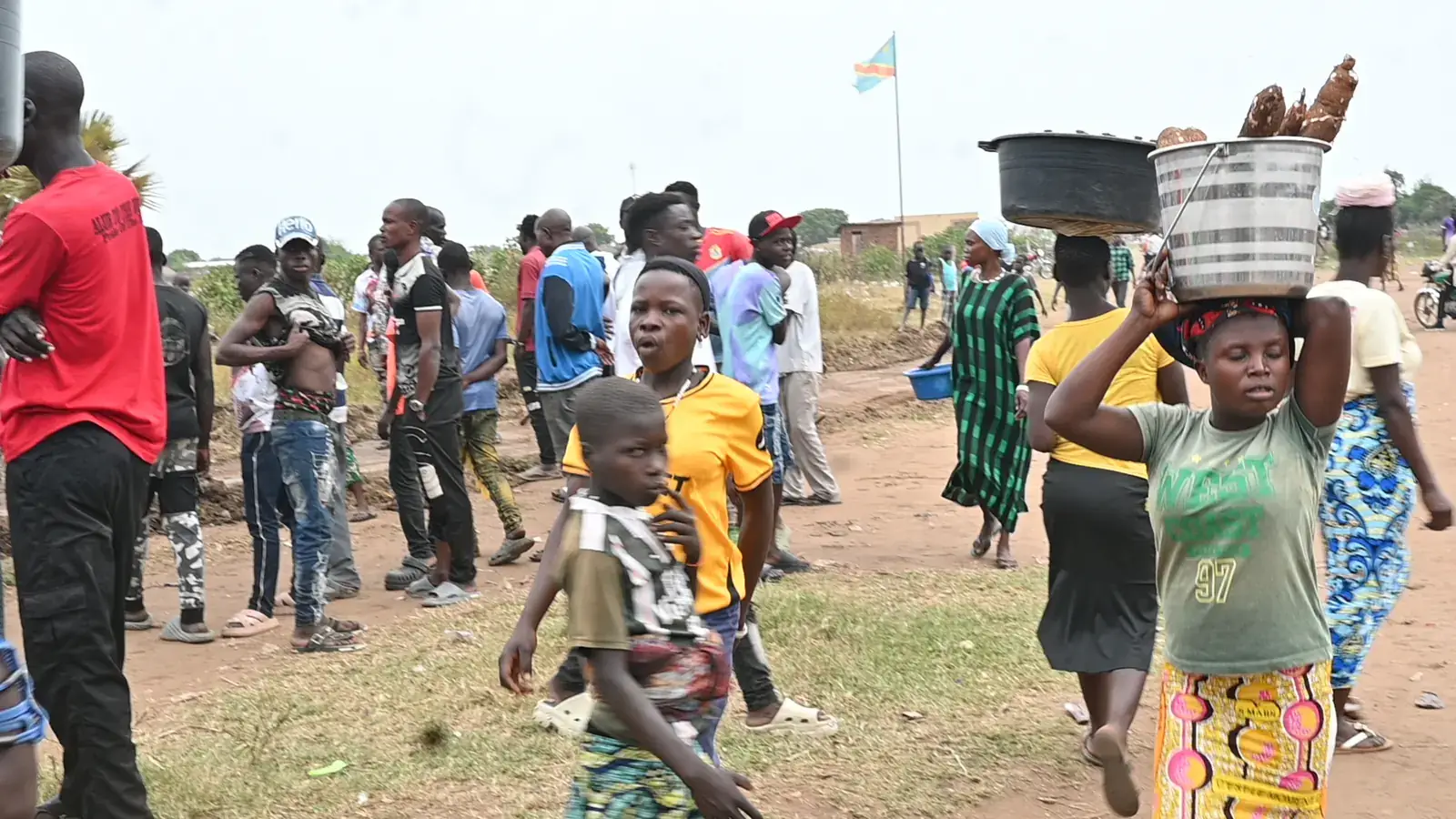
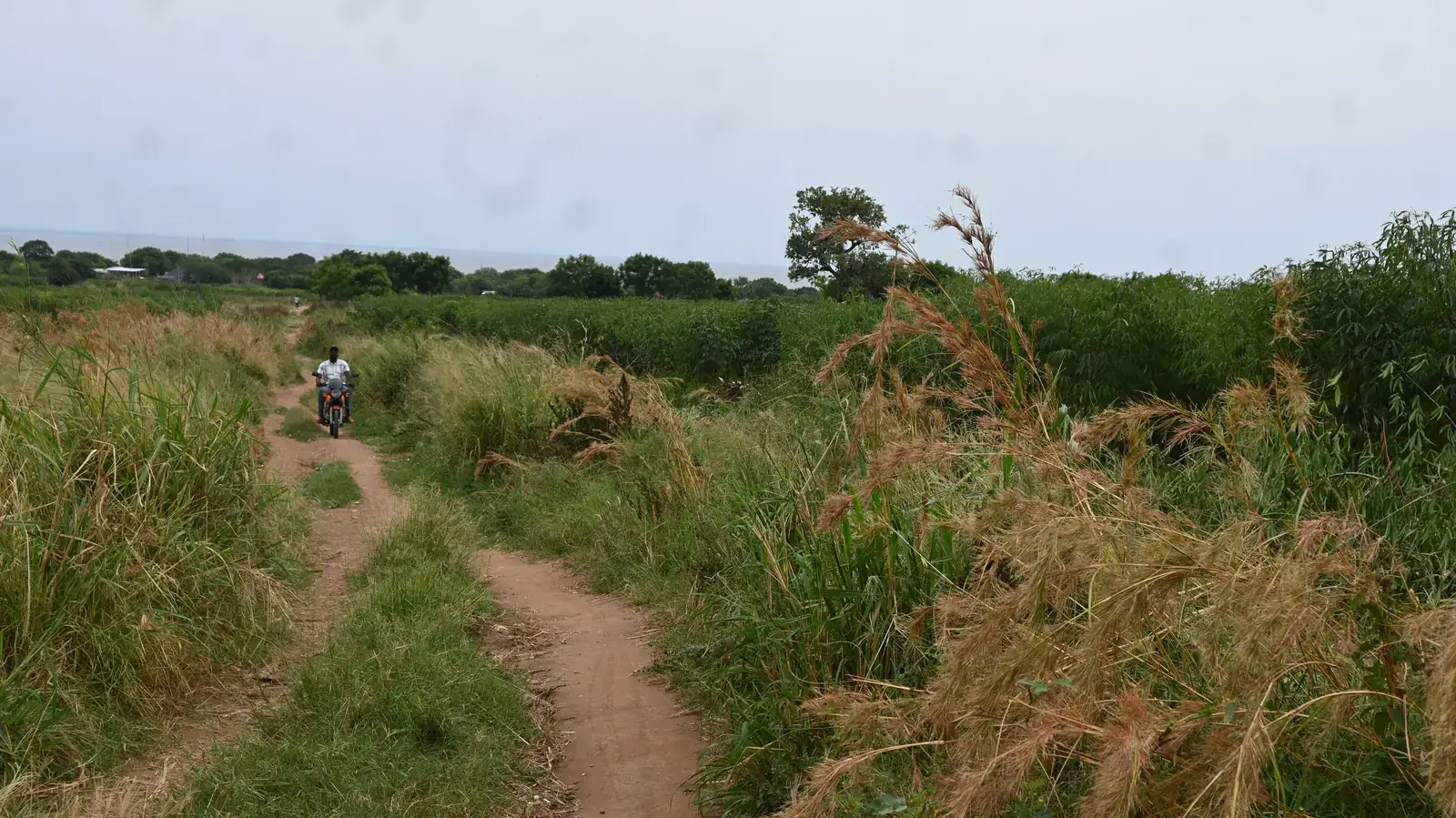
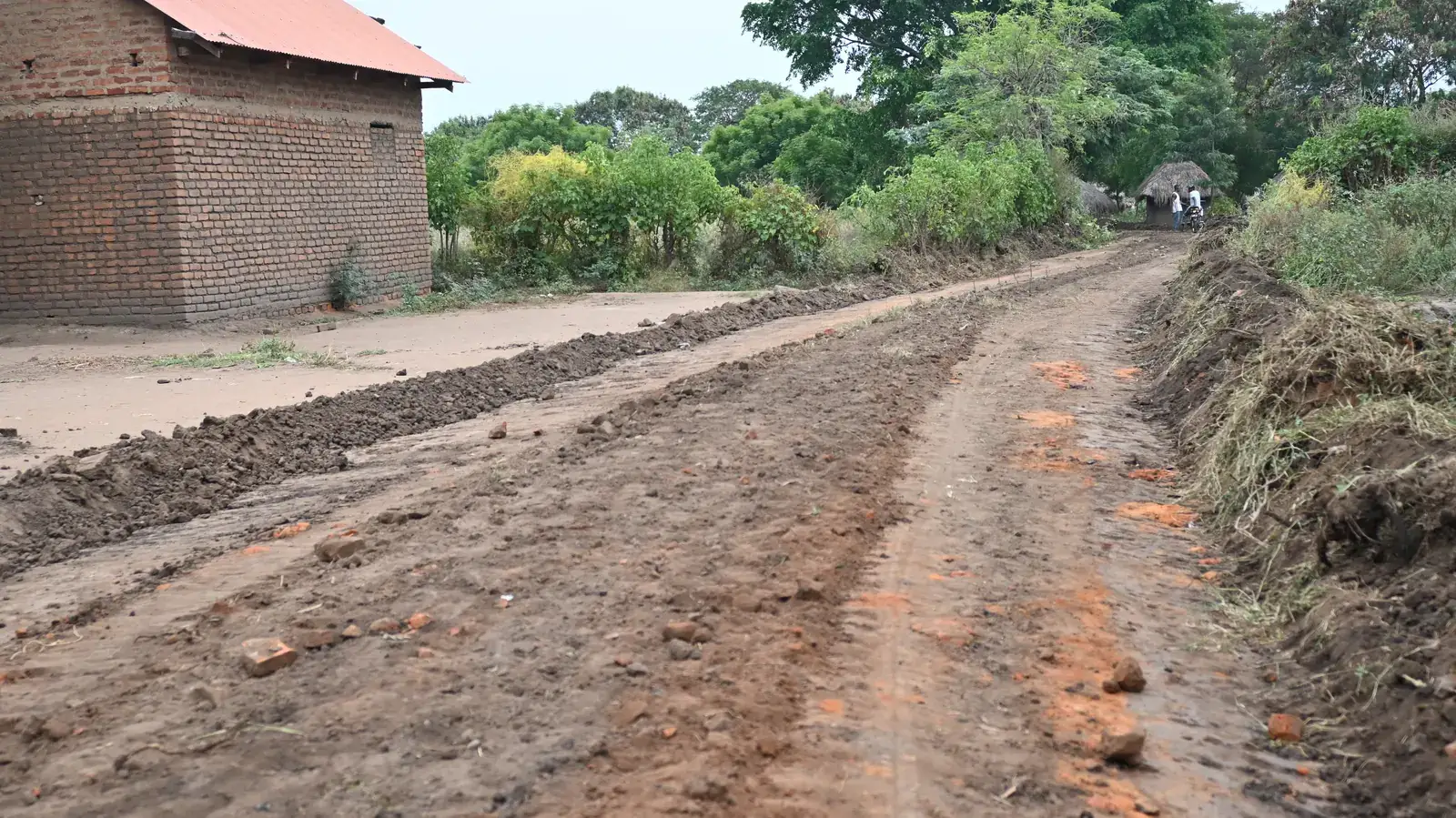
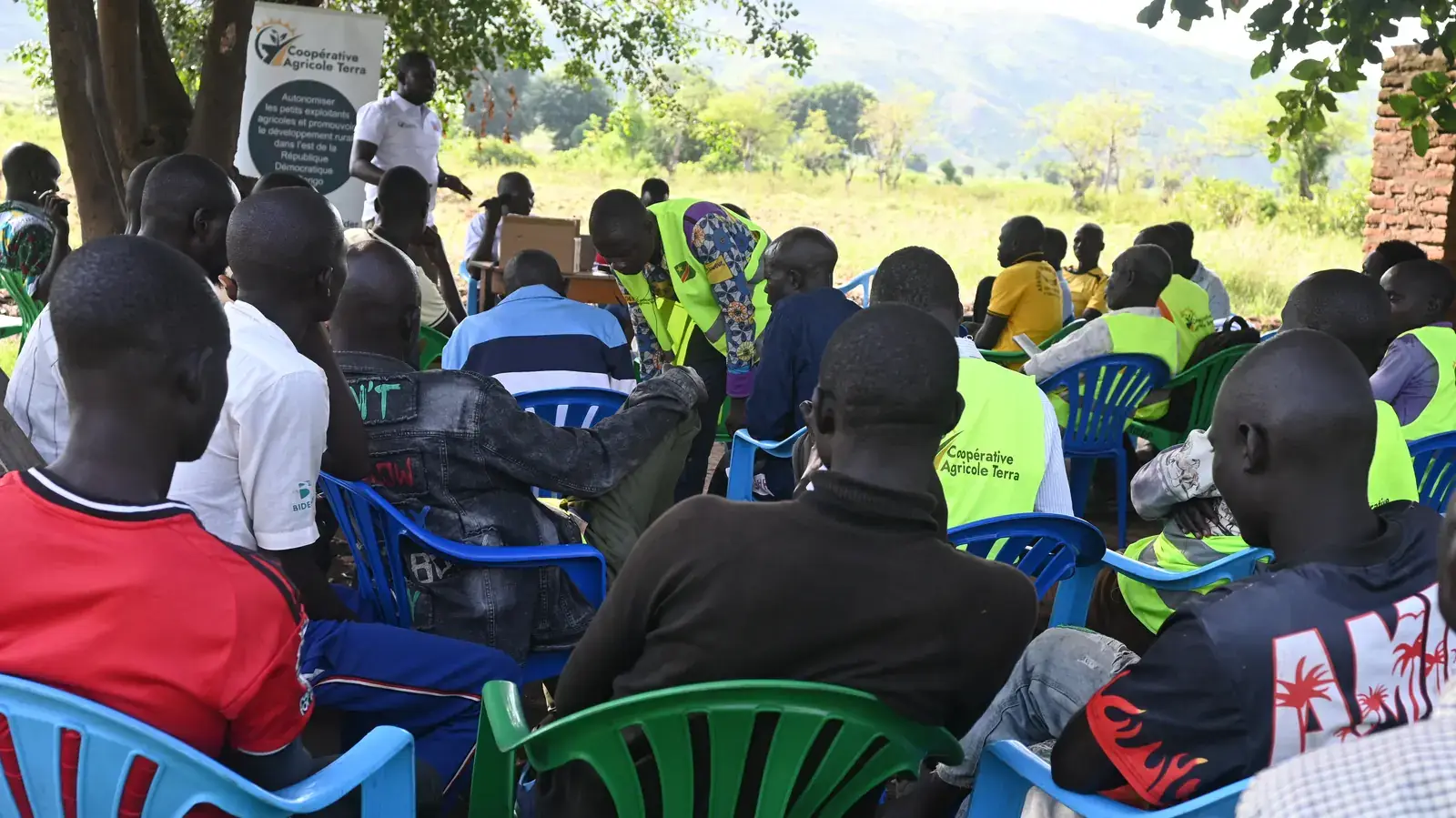
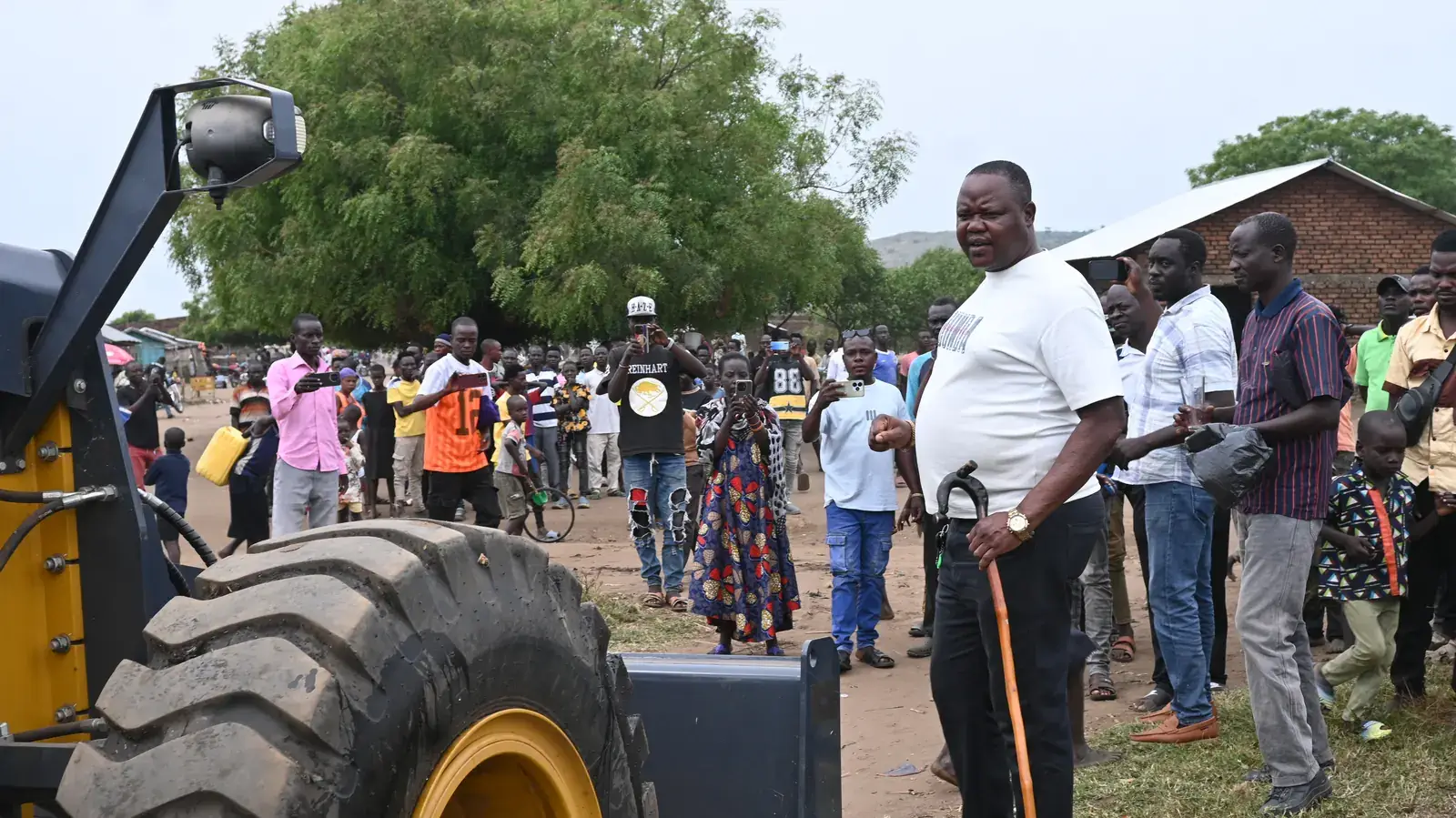
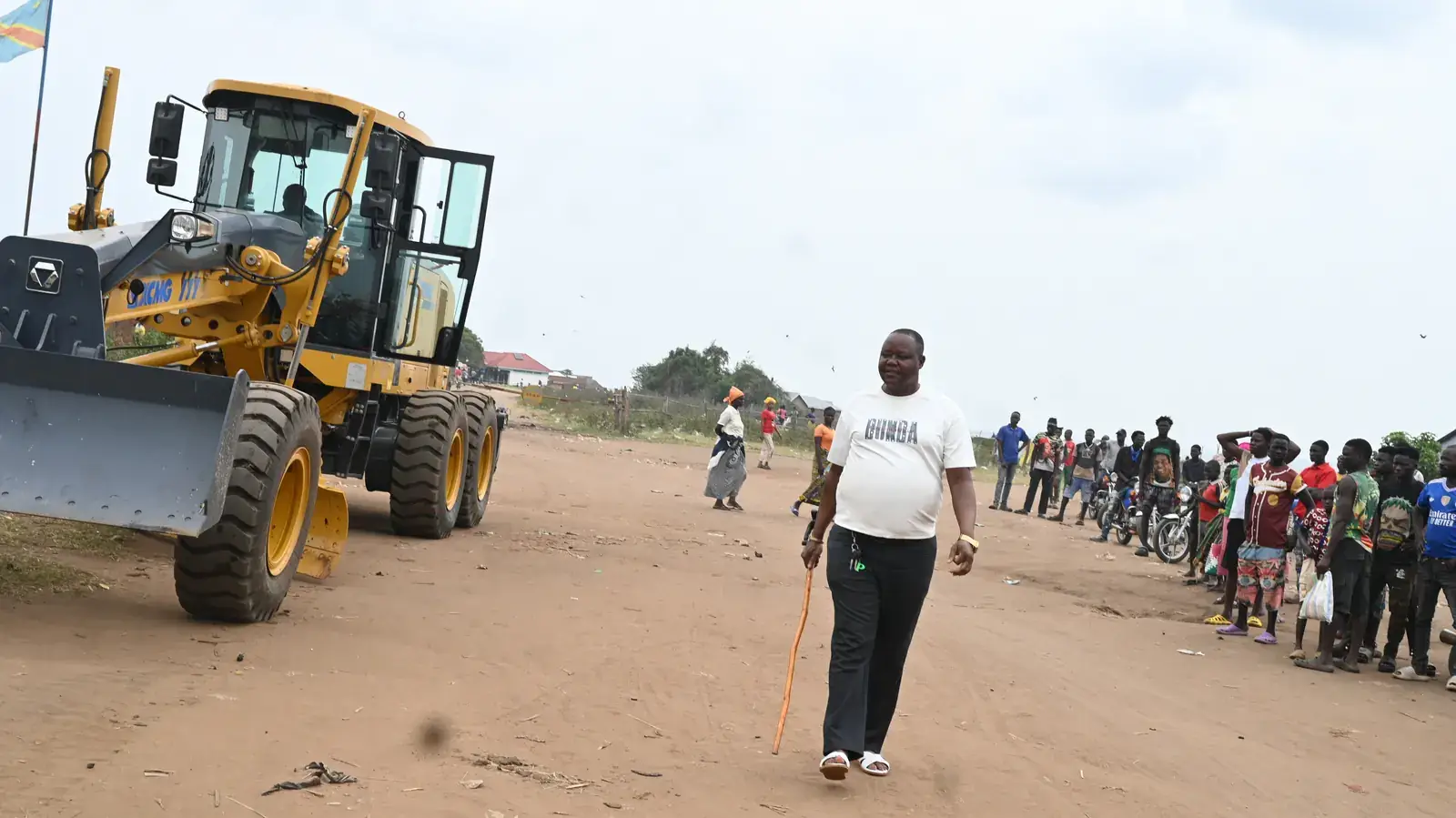
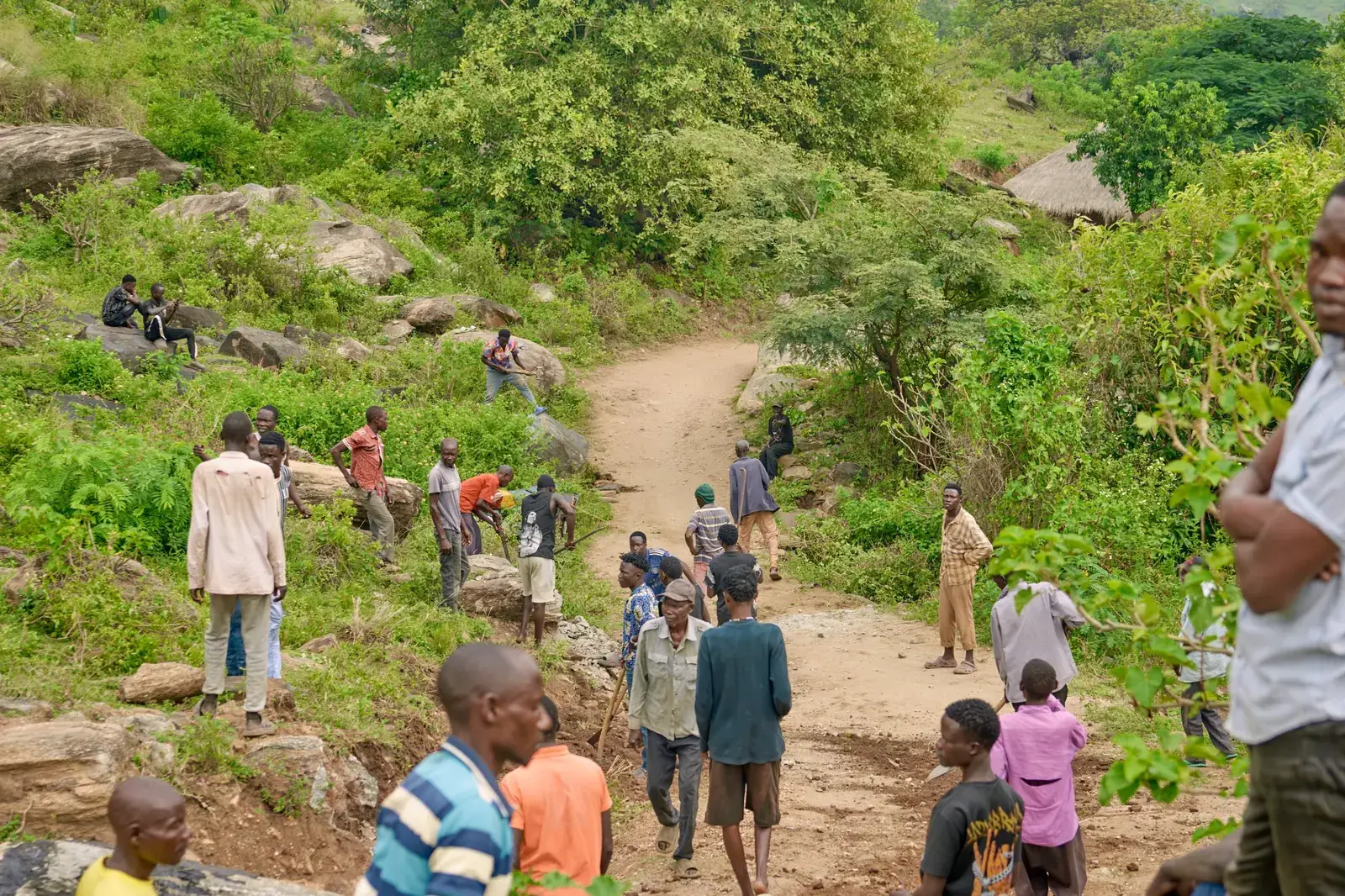
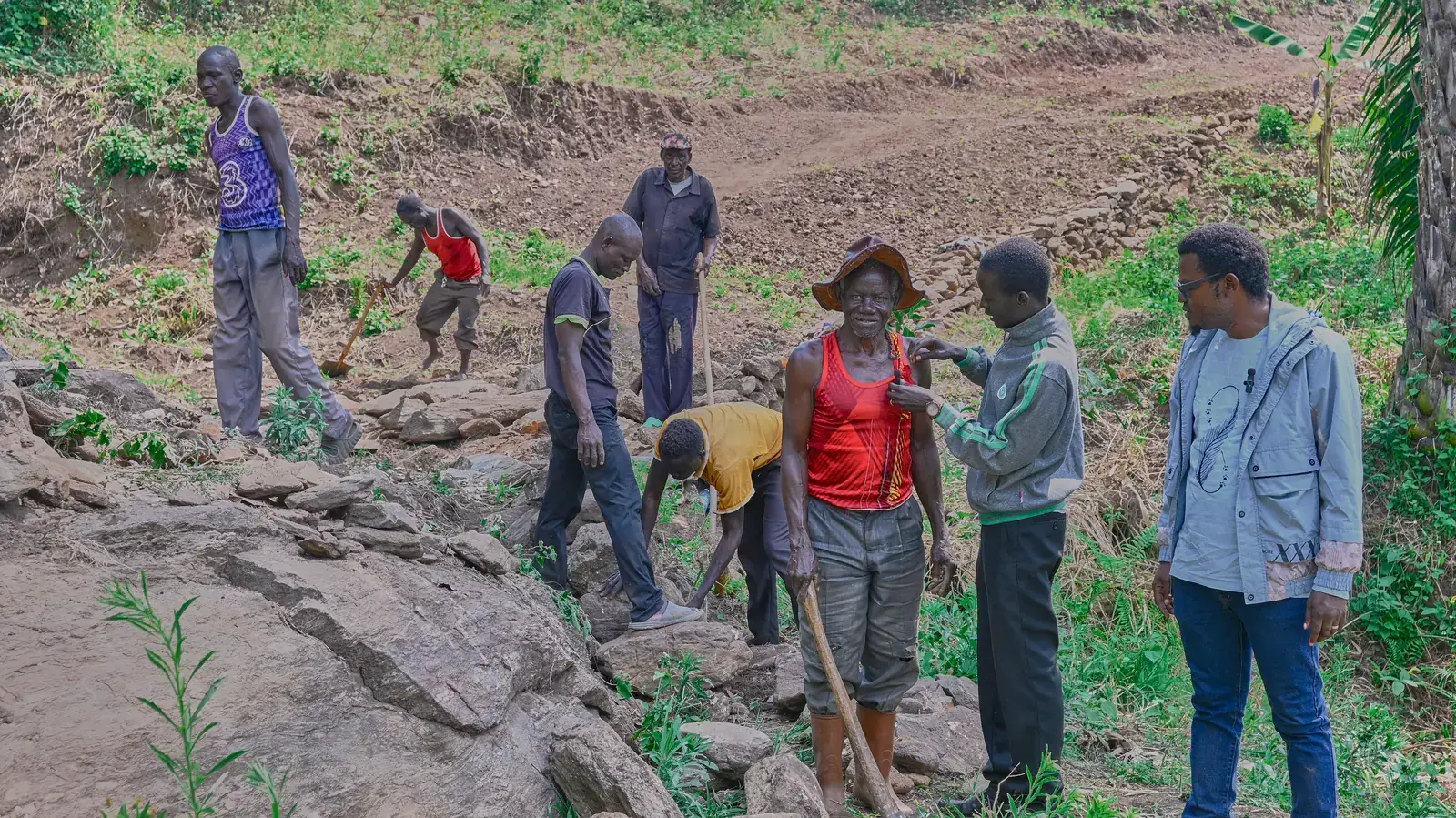
Photos: Environmental Defenders.
Environmental Defenders welcomes partners who want to help extend, maintain, and build on this work. To get in touch, visit our contact page.
Read more from Mahagi: Seedlings of Resilience: Reviving Arabica Coffee in Mahagi, Ituri and How Terra FM Is Advancing Climate Action in Ituri, DRC.