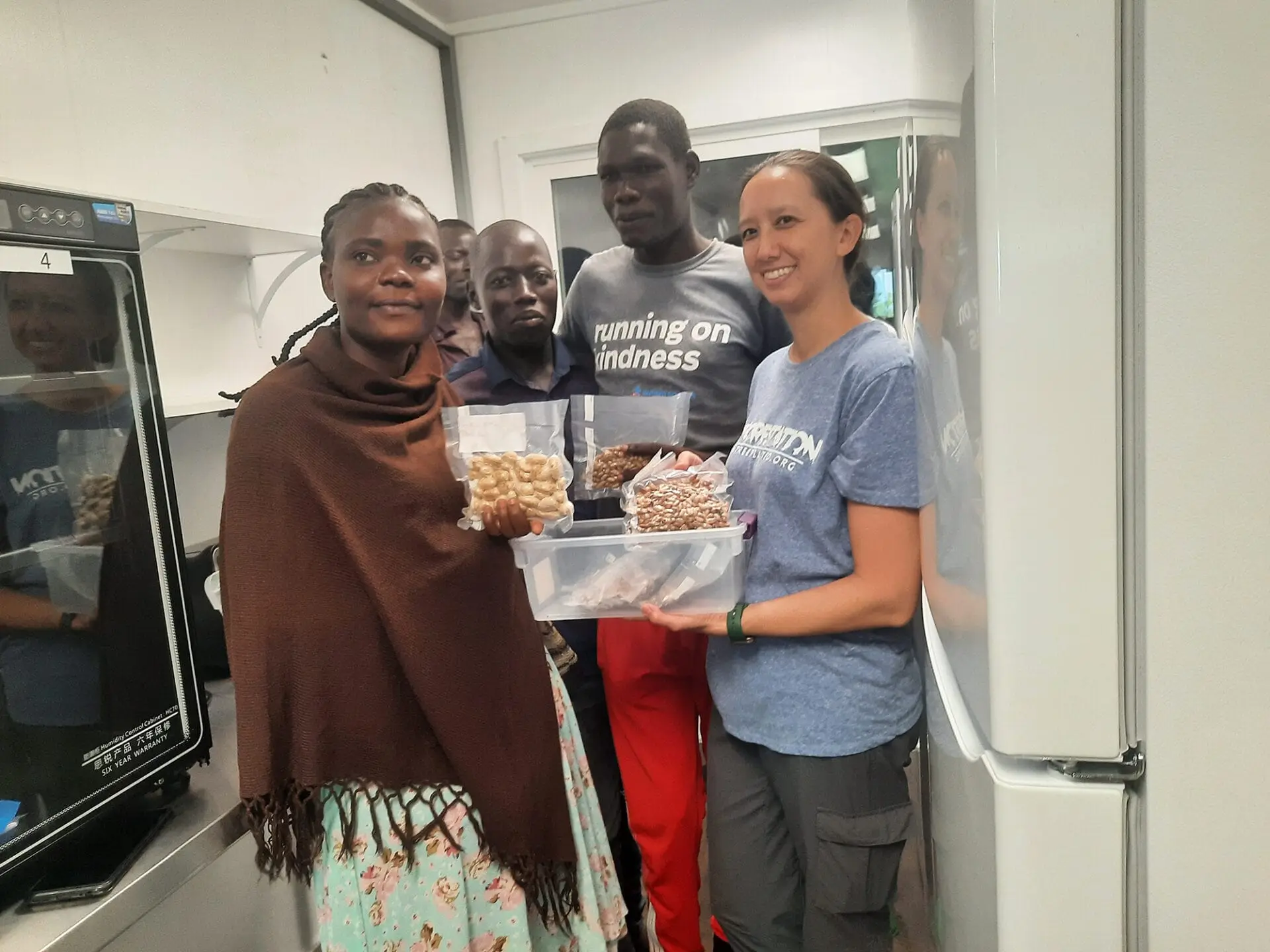
Environmental Defenders has acquired an off-grid, solar-powered seed bank and nursery from Terraformation. It will scale up our restoration work in the Albertine region of Uganda and northeastern Democratic Republic of the Congo. Through this seed banking initiative, we have built a regional native seed hub. It serves as a center of excellence for restoration projects around Lake Albert, on both sides of the border. The seed bank builds on our partnership with Terraformation announced in 2020.
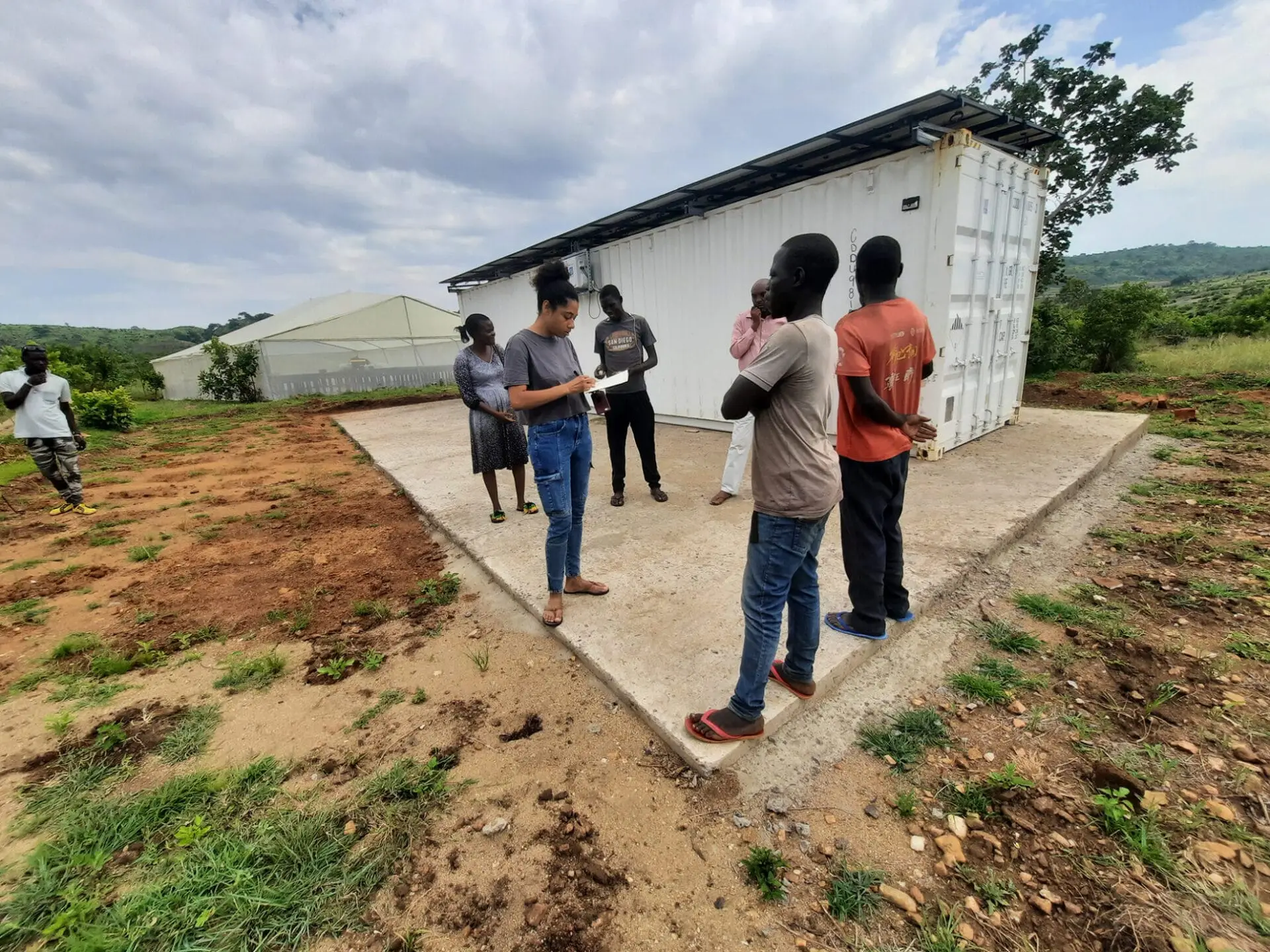
A seed banking hub for the region
Our long-term goal is to become a conservation education and seed storage hub for Sub-Saharan Africa. Neighboring countries such as Kenya, South Sudan, Rwanda, and Tanzania have shown interest in learning and applying these tree conservation techniques.
In addition, we aim to preserve understory herbs used in traditional medicine and grasses used to build traditional houses. Bushfires and the spread of large-scale commercial farming have reduced these plants in recent years. Through this work, we want to make sure that marginalized and under-resourced communities are not left behind in the move toward a fairer, greener future.
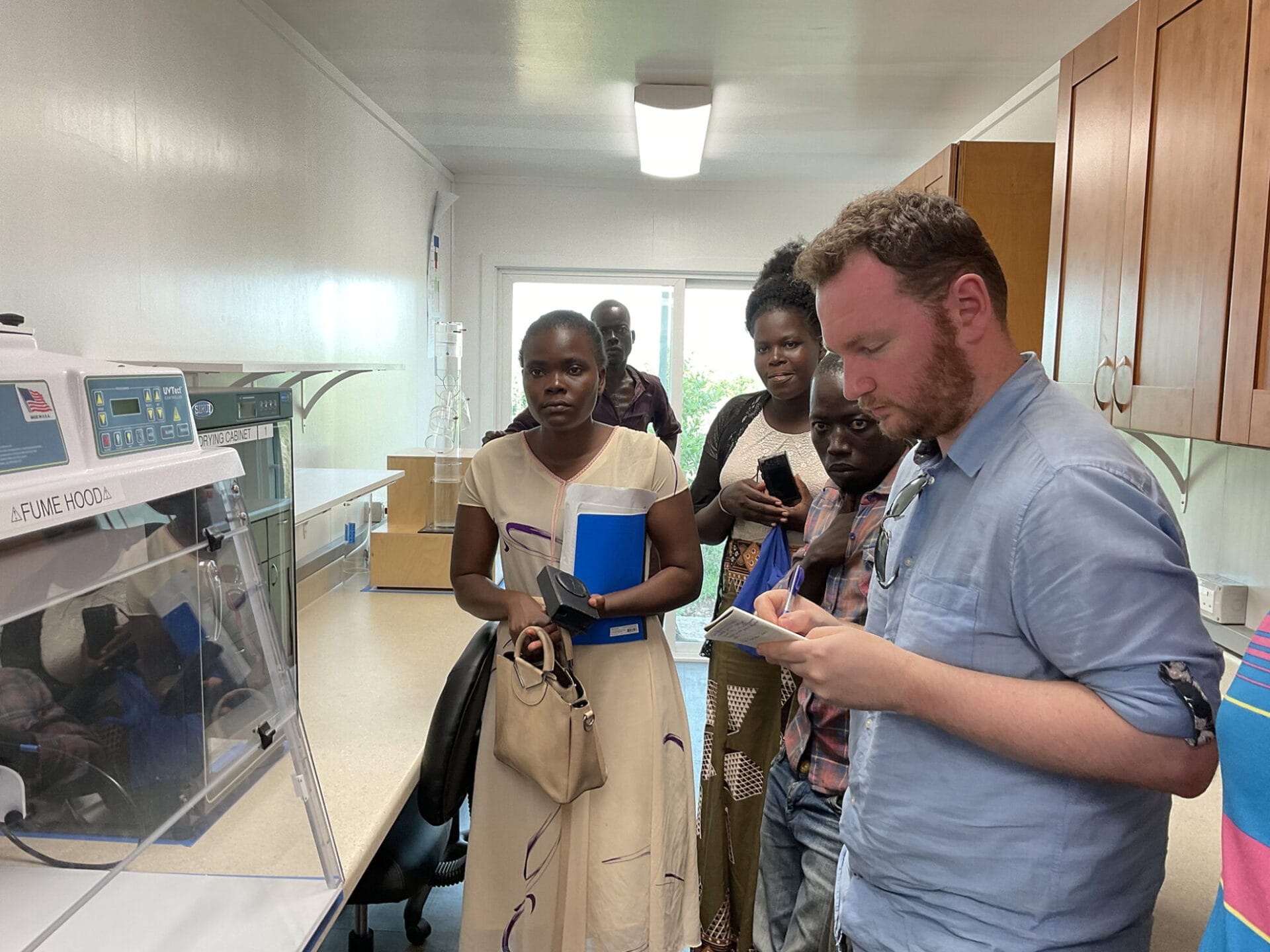
How seed banking works
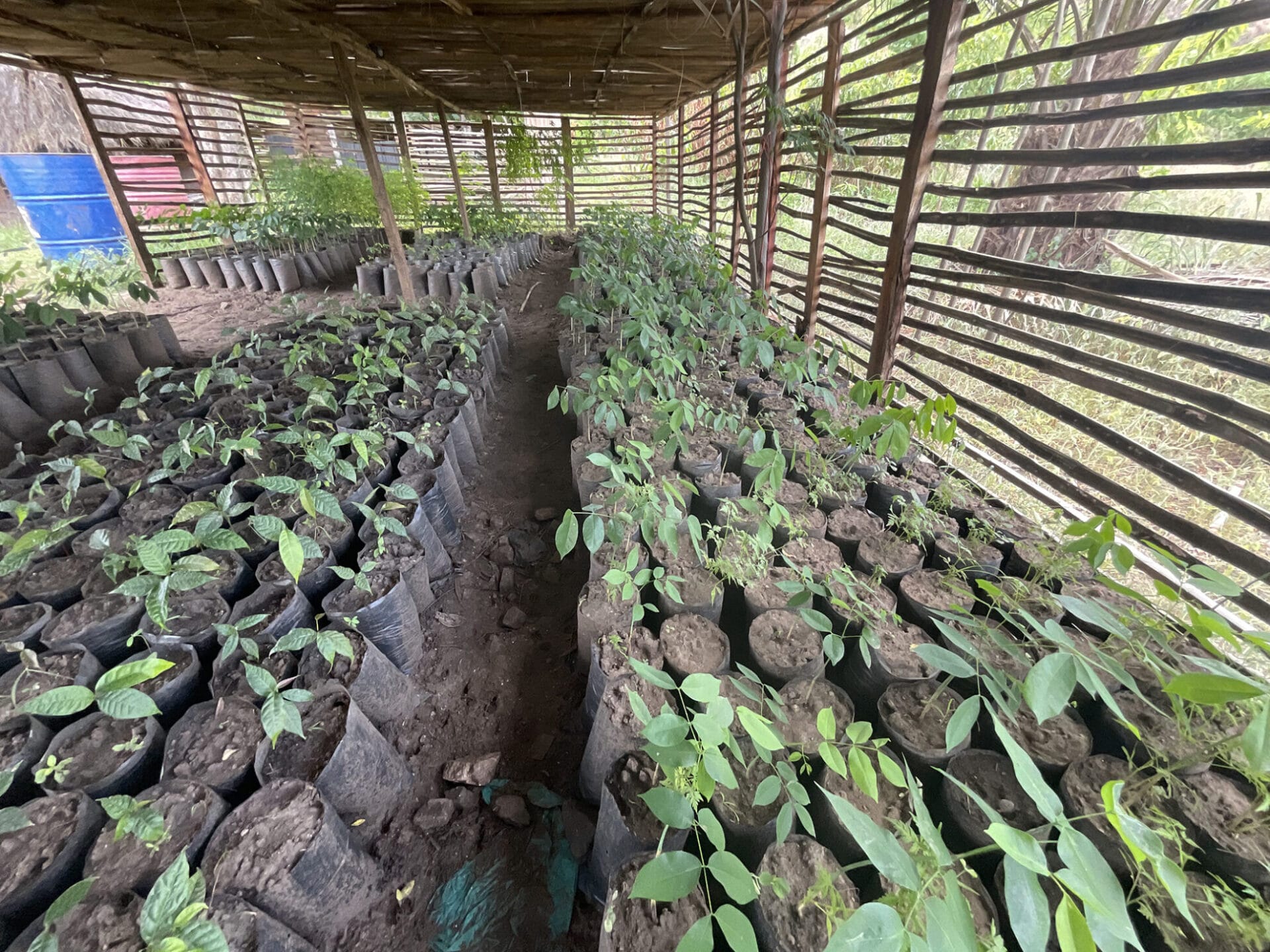
Seed banking starts in the field. Our teams collect seeds from healthy native trees and grasses in remnant forests and savannas. Next, they clean, dry, and sort the seeds and record where each batch came from. The seeds are then stored in the solar-powered bank, where cool, dry conditions keep them alive for longer. Finally, the nursery raises seedlings from these seeds for planting in degraded areas.
Because the bank runs on solar power, it works even in places without grid electricity. As a result, we can keep a steady supply of native seed through dry seasons and bad fruiting years.
Protecting land from unsustainable development
Oil and gas drilling is a major threat to the Lake Albert region of Uganda and the DRC. Environmental Defenders was formed to protect fragile natural areas from harmful practices like these. In our experience, land protection, conservation, and replanting are the most effective long-term defenses.
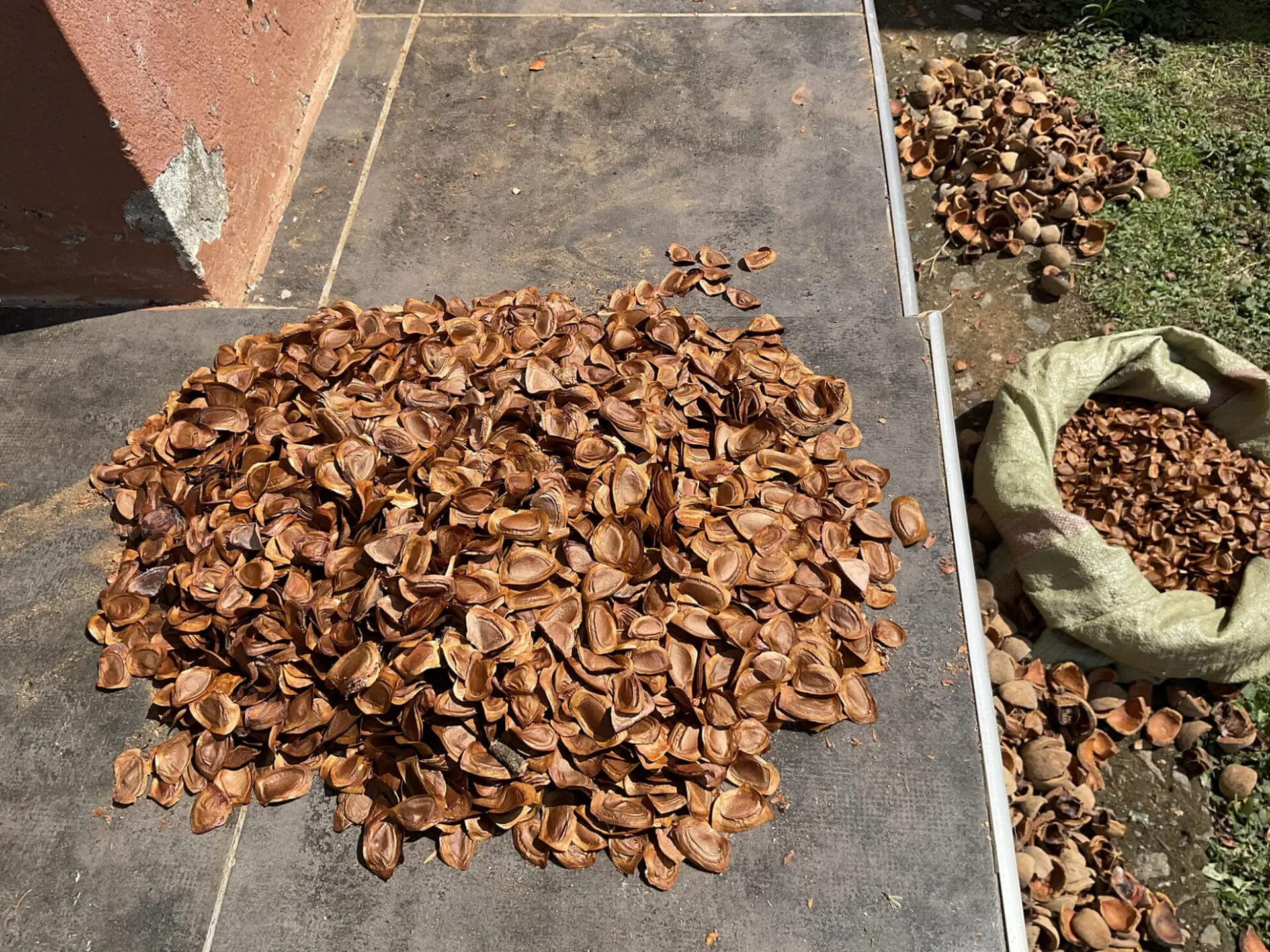
Benefits of seed banking for people, climate, and land
Beyond generating income, the project aims to reduce pressure on forests from nearby communities. It also stores carbon. Moreover, it improves water retention, reduces runoff, stabilizes soil on slopes prone to mudslides, and boosts soil fertility.
The project should also support better land-use planning and community-led climate adaptation. Importantly, it will develop carbon management techniques that other communities across Africa, especially in the Congo Basin and East Africa, can copy. Learn more about our biodiversity and climate program and how our grantee APAPE is building a native seed bank on the Lendu Plateau.
About Environmental Defenders
Environmental Defenders (ED) is an ecofeminist and collaborative environmental justice organization that works to conserve biodiversity and protect the rights of Indigenous Peoples. We work in the Albertine Rift region, which includes the Murchison-Semliki, Greater Virunga, and Ituri landscapes and spans the border between the Democratic Republic of the Congo and Uganda.
We build resilience for environmental and human security. To do this, we help marginalized Indigenous Peoples and traditional communities in the Albertine Rift live sustainably and protect their cultural practices, water, land, and environment.
Our mission is to protect and defend the natural environment and the people and species that rely on it. We envision a safe, healthy, and ecologically balanced environment for people and wildlife alike.